
Merino Sheep: The Spanish Breed that Conquered the World for its Wool
To discover the Merino sheep is to enter the living history of Spanish livestock, a breed whose legacy extends across the globe thanks to the exceptional quality of its wool. Native to the Iberian Peninsula, this breed has been a mainstay of the economy and culture for centuries, adapting to diverse environments and captivating breeders and artisans alike. At the heart of this tradition, we find Gómez Coronado, a Spanish cattle ranch dedicated to raising Merino sheep, maintaining practices that honor the heritage of this noble breed. We delve into the characteristics, history and value of the Merino sheep, with special attention to the work of Gómez Coronado in preserving its excellence.
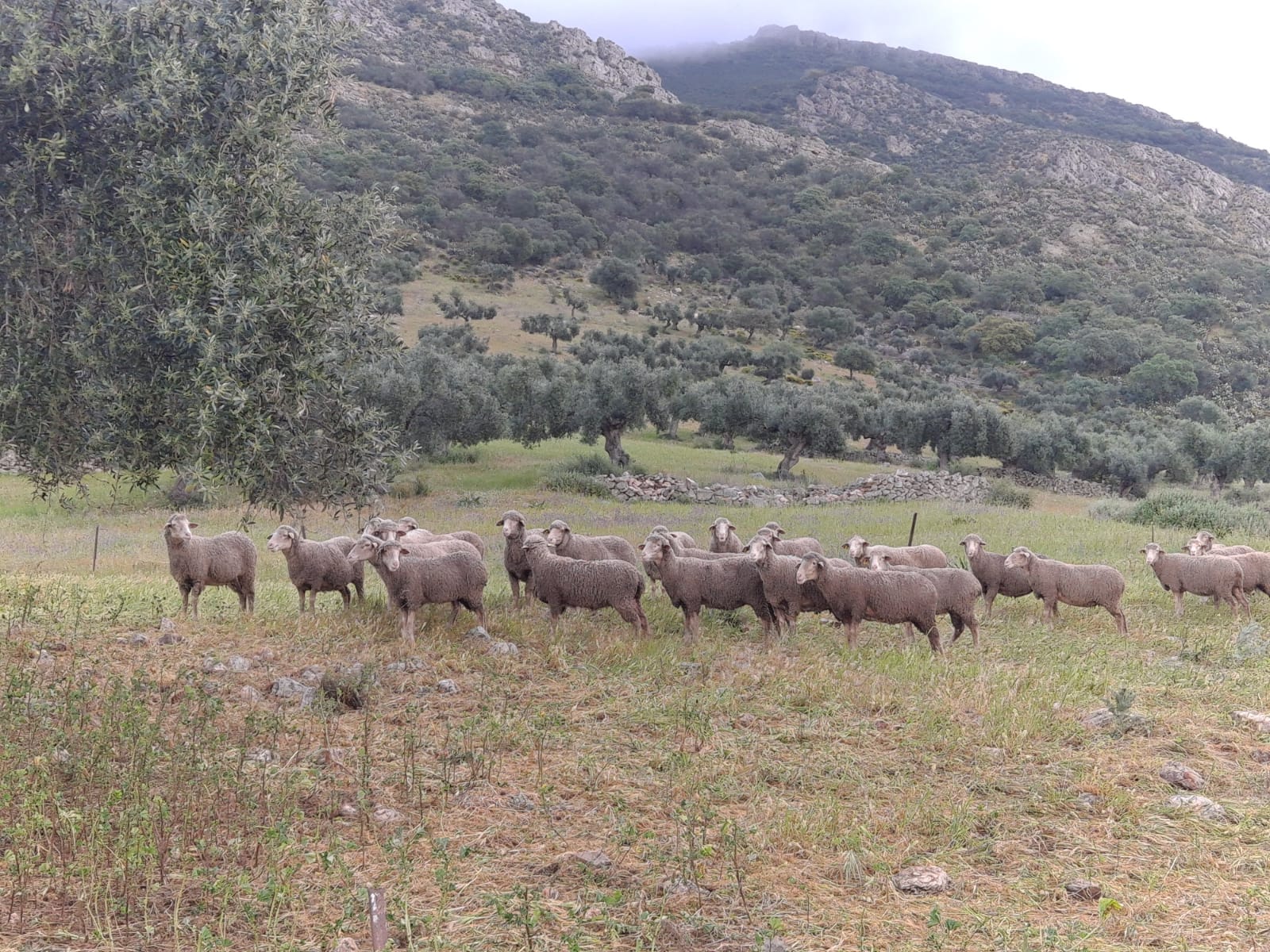

Unique Characteristics of Free-Range Merino Sheep

Physical and Morphological Description of Merinas
The Merino sheep is distinguished by being a medium-sized animal, generally white in color, which belongs to the category of fine wool sheep. At adulthood, females usually reach a weight ranging from 40 to 70 kilograms, while rams can weigh between 70 and 100 kilograms. Throughout history, breeding trends have evolved, currently favoring the development of medium-sized animals with good meat conformation and fewer skin folds. Although they present wool growth on the face, it is rarely extensive enough to cause wool blindness. The coloration of their face and legs is predominantly white. These physical characteristics, molded by selection over the centuries, reflect the breed's main virtue: its superior wool quality.
Although they have wool growth on the face, it is rarely extensive enough to cause wool blindness. The coloration of their face and legs is predominantly white. These physical characteristics, molded by selection over the centuries, reflect the breed's main virtue: its superior wool quality.
At present, the weight of the adult Merino ewe can be estimated.
This weight is statistically between 40 and 70 kg for females and between 70 and 100 kg for rams.
Adaptability and Management of Merino Sheep
One of the notable characteristics of the Merino sheep is its ability to adapt to diverse climates, from the warm regions of Australia to colder areas. This breed also stands out for its grazing abilities, which makes it especially suitable for extensive breeding systems such as the one practiced in the Extremadura pastures. In terms of reproduction, Merino ewes have a considerable prolificacy, with an average of 1.5 offspring per year and a tendency to multiple births. In this sense, it is crucial the differentiated management of ewes with multiple pregnancies, paying special attention to their feeding to ensure the survival of the lambs . Given their high wool production, Merino ewes require regular shearing, generally twice a year. This need for constant management is an important factor to consider in their breeding.
History and Origin of the Merino Breed
The Spanish Origins of the Merino Sheep
The Merino sheep has its roots in Spain, with possible origins dating back to the 12th century. While there are various theories about its lineage, including the importation of flocks from North Africa, the strongest hypothesis suggests an indigenous development on the Iberian Peninsula through selective breeding over several centuries. During the Middle Ages, Spanish merino wool was already known, although it was initially used for the manufacture of cheaper fabrics. It was in the late fifteenth and mid-sixteenth centuries when Spanish Merino wool achieved recognition for its superior quality, reaching the level of fine English wools. The adaptation of the Merino breed to the semi-arid climates and nomadic pastoralism in Spain contributed significantly to its development and expansion. The historical importance of Merino wool in the Spanish economy was such that, for centuries, its export was strictly forbidden, being considered a capital crime.
Merinas Global Expansion
Despite initial restrictions, the Merino sheep began its global expansion, a key milestone being its introduction to Australia in 1797. In the Australian environment, the Merino breed not only prospered but, thanks to selective breeding, even finer wool was achieved, consolidating Australia as the world's leading producer of high quality Merino wool. The arrival of Merinos in other countries, such as the United States (especially in Vermont), also had a significant economic impact, boosting the local textile industry. The breed also spread to other regions of Europe, such as Hungary and Germany, where it was crossed with local breeds to create new varieties. This global dispersal attests to the versatility and intrinsic value of the Merino sheep. Initially, the first sheep to arrive in Australia in 1788 were of the fat-tailed breed, intended primarily for meat production, but they were not well adapted to the environment and did not produce good quality wool. The later introduction of the Merino sheep, better adapted and excellent wool producers, marked a turning point for the Australian economy.
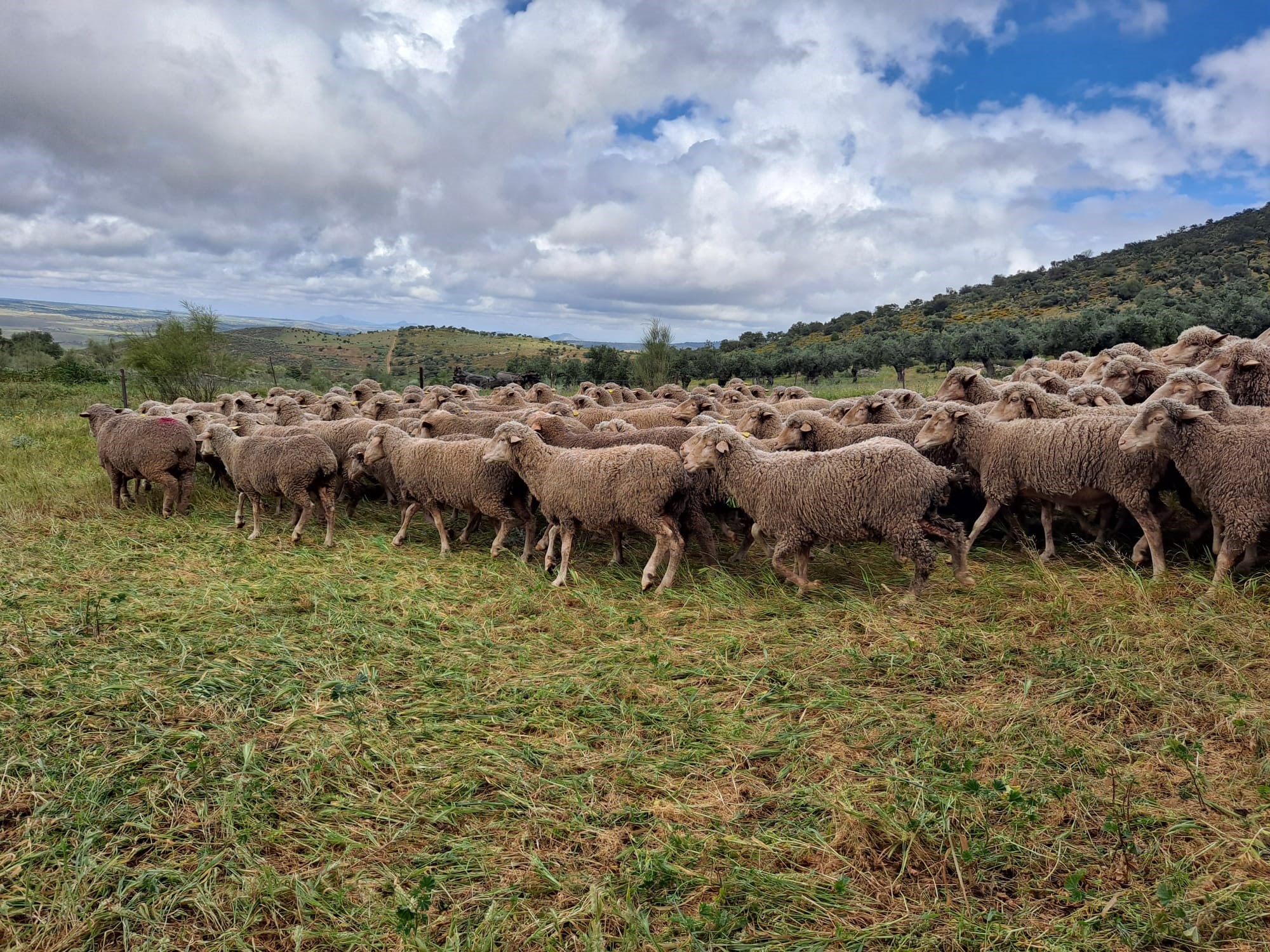

The Merino Sheep Today
Today, the Merino sheep remains a breed of great importance worldwide, primarily for its valuable wool production. Australia continues to lead the market for fine merino wool, although the breed is bred in diverse environments around the world due to its remarkable adaptability. The growing demand for natural and sustainable fibers has contributed to the continued relevance of merino wool in the contemporary textile industry.
The Merino Sheep at the Gómez Coronado Livestock Breeding Farm
Free-range Merino Sheep Breeding in the Extremadura Pastureland
At the Gómez Coronado livestock farm, Merino sheep are raised in a privileged natural environment: the Extremadura dehesa. This extensive breeding system allows the sheep to develop in freedom, lambing on the same farm where they grow and are weaned. This management, together with proper care and feeding, favors that a high percentage of Gómez Coronado ewes have twin births. The commitment to this production model underlines Gómez Coronado's commitment to animal welfare and the production of high quality products in a sustainable environment.
Reproduction and Care of Merino Sheep on the Farm
The Gómez Coronado livestock farm pays special attention to the reproductive process of its Merino ewes, achieving an average of 1.5 offspring per year, with an outstanding rate of twins. To optimize results, specific management strategies are implemented for ewes with multiple pregnancies, separating them from the rest of the flock in order to individually attend to their nutritional and care needs. The importance of birth weight and early colostrum intake for lamb survival is recognized, especially in the case of twins. Therefore, the nutritional level of pregnant dams is improved through quality pasture and sometimes concentrate supplementation, which helps to reduce lamb mortality . In addition, the practice of shearing approximately one month before the onset of lambing, provided that feeding is appropriate, has a positive effect on the birth weight of single lambs and also benefits the survival of twins.
Controls and Genetic Selection of Merino Sheep
Gómez Coronado demonstrates a firm commitment to the quality and continuous improvement of its Merino cattle through rigorous controls and genetic selection processes. The herd is registered in the National Association of Merino Cattle Breeders, which implies compliance with the regulations established by the Commission for Admission, Qualification and Improvement.
This commission defines the conditions and periodicity of the analyses, which are mandatory for the farmer. Failure to comply with these requirements could lead to exclusion from the Register of Cattle Breeders. Within this framework, Gómez Coronado carries out all the selection, genotyping and filiation processes proposed by the association, thus ensuring the purity and genetic quality of its Merino sheep. This approach guarantees a viable and sustainable future project for livestock farming.
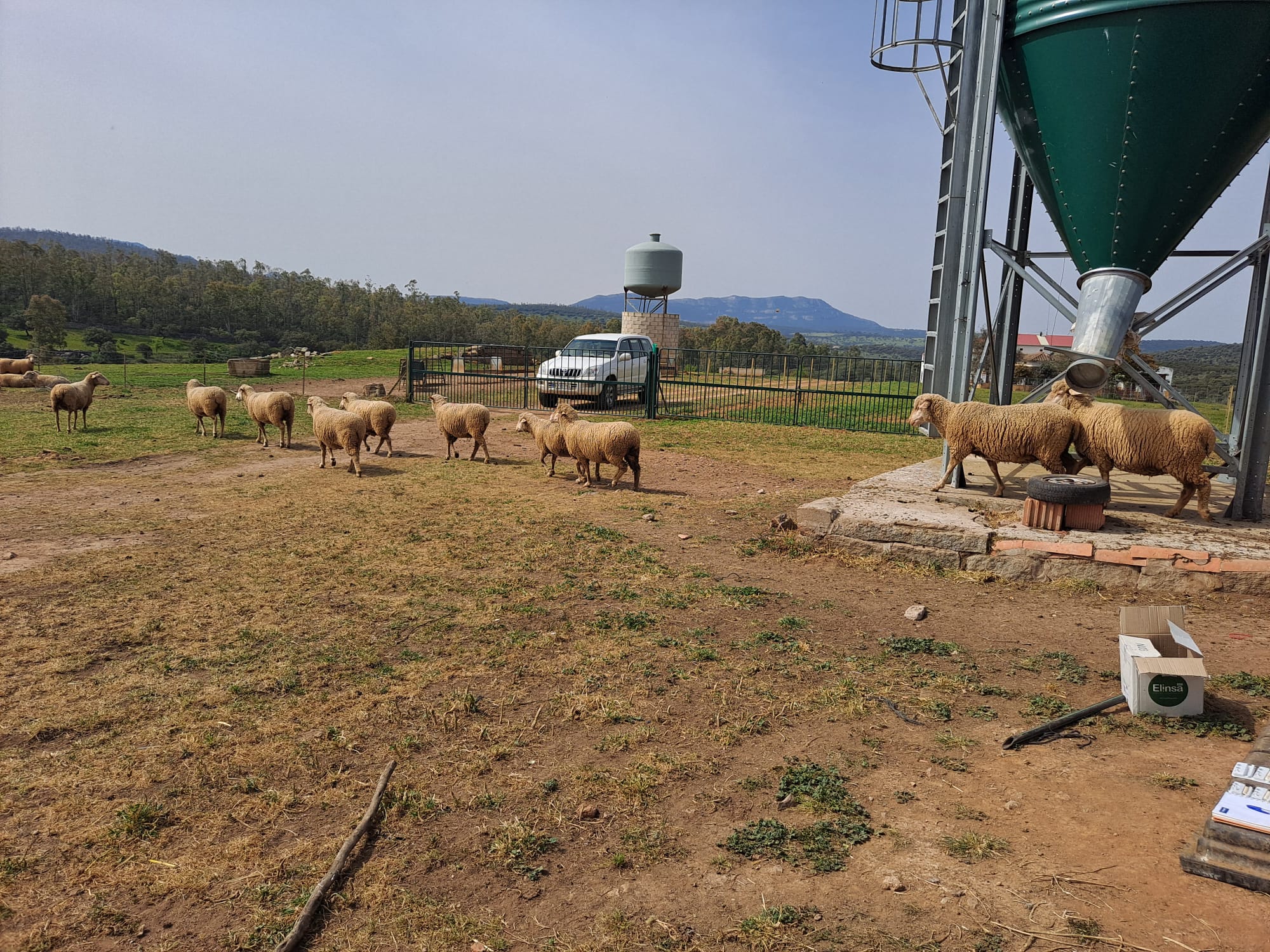
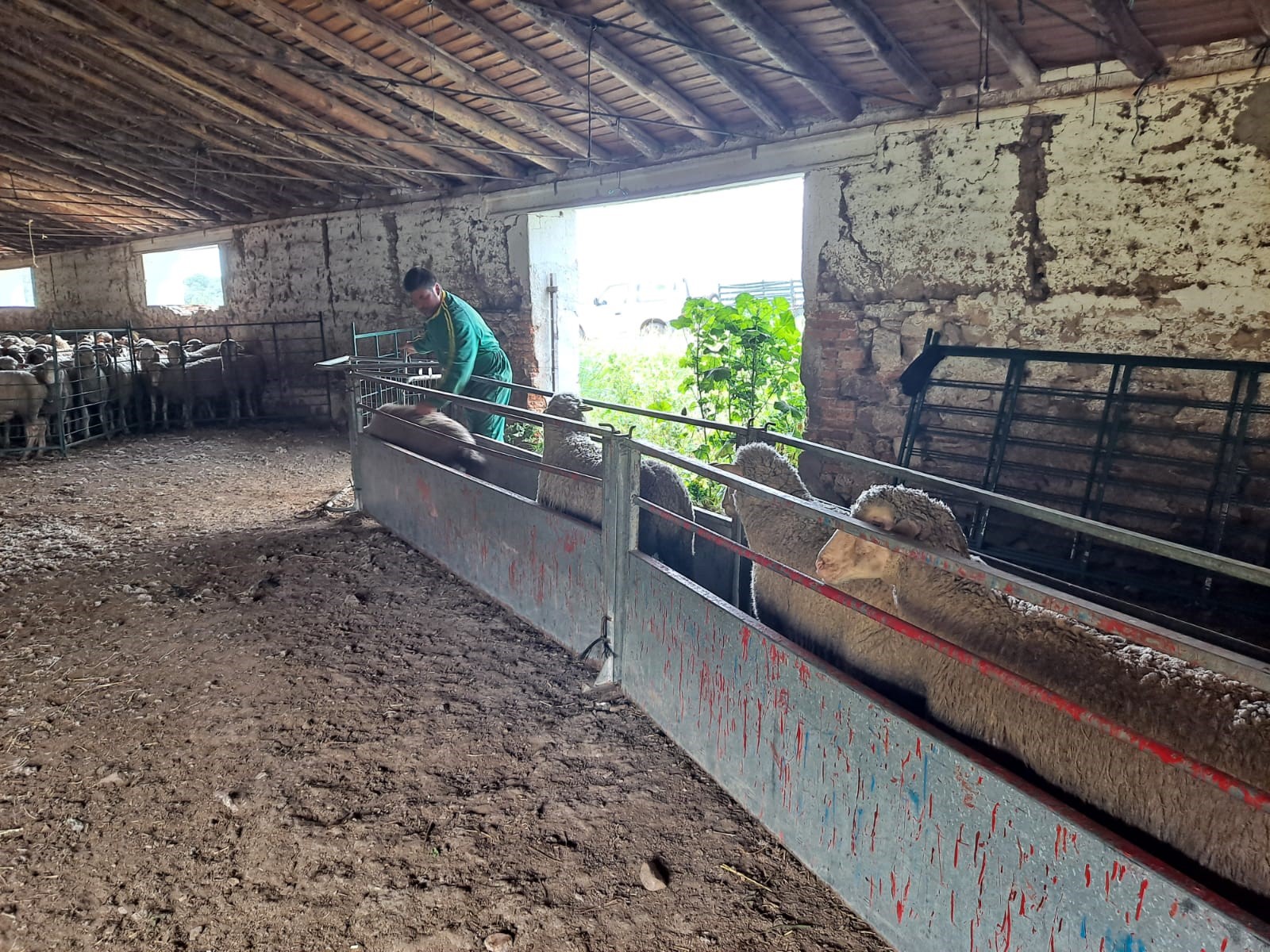
Merino Sheep Yields and Products
Precious Merino Sheep Wool: Shearing and Uses
In Gómez Coronado, shearing is carried out annually on the entire flock, and the wool obtained is destined for sale. Merino sheep wool is highly valued in the textile industry for its many properties and uses. It is used in the manufacture of a wide range of garments, from underwear and socks to suits and knitwear, thanks to its softness, thermoregulation capacity and breathability. It even has specialized applications, such as in the manufacture of piano felts. The economic value of merino wool is significant, especially when it comes to finer fibers. The production and sale of wool represents an important part of the economic return from Merino sheep farming.
Other Merino Sheep Productions: Meat, Milk and More
While wool is the star product of the Merino sheep, other yields, such as meat and milk, can also be obtained. Traditionally, this breed has not been bred primarily for meat production due to the high value of its wool. However, there are breeding lines that seek a balance between wool quality and meat production. Merino sheep milk can also have value, although its production is not as common as in other sheep breeds specialized in milk. The links provided in the original article suggest that Gomez Coronado considers several facets of the performance of its Merino sheep.
Benefits and Properties of Merino Sheep Wool
Softness and Comfort of Merino Wool
Merino wool is noted for its exceptional softness and comfort against the skin. Unlike other thicker wools, merino does not cause itching, which makes it ideal for garments worn directly on the body. This softness is due to the fineness of its fibers, which is considerably less than that of other wools and even human hair.
Thermoregulation and Breathability of Merino Sheep's Wool
One of the most appreciated properties of merino wool is its ability to regulate body temperature, keeping the wearer warm in winter and cool in summer. This characteristic is due to the curly structure of its fibers, which trap air and provide thermal insulation. In addition, merino wool is breathable and has the ability to absorb moisture without feeling wet, transporting it to the outside and allowing it to evaporate. This moisture wicking property is superior to that of many synthetic fibers.
Other Merino Wool Advantages: Odor, Moisture and Wrinkle Resistance
Merino wool offers a number of additional advantages that make it an exceptional fiber. It has a remarkable resistance to odors, as it absorbs odor molecules and releases them only during washing, allowing merino garments to be worn longer without laundering. It also has a certain resistance to stains and humidity. Another remarkable quality is its resistance to wrinkles, thanks to the natural elasticity of its fibers. In addition, merino wool dries quickly . As for its durability , it is considered more resistant than cotton , although some sources suggest that it may not be as resistant as synthetic fibers in certain applications . Importantly, merino wool is hypoallergenic and non-allergenic, making it suitable for people with sensitive skin. It also offers natural protection against the sun's ultraviolet rays. Finally, unlike many synthetic fibers, merino wool is biodegradable, making it a more environmentally sustainable option.
Conclusion
The Merino sheep represents a sheep breed of extraordinary importance, both for its rich history dating back to medieval Spain and its subsequent global expansion, as well as for the unequaled quality of its wool. This wool, appreciated for its fineness, softness and multiple benefits, continues to be a benchmark in the textile industry worldwide. The Gómez Coronado livestock farm, with its commitment to free-range breeding in the Extremadura pastures and its rigorous quality controls, exemplifies the dedication to preserving the excellence of this breed. Through traditional practices and a vision of a sustainable future, Gómez Coronado contributes to maintaining the legacy of the Merino sheep, a breed that, with its history and valuable properties, continues to play a brilliant role in livestock and the textile industry.


