The Merino Sheep of Gómez Coronado: Tradition and Excellence in Livestock Breeding in Extremadura
Introduction: Discovering the Excellence of the Merino Sheep with Gómez Coronado in Extremadura
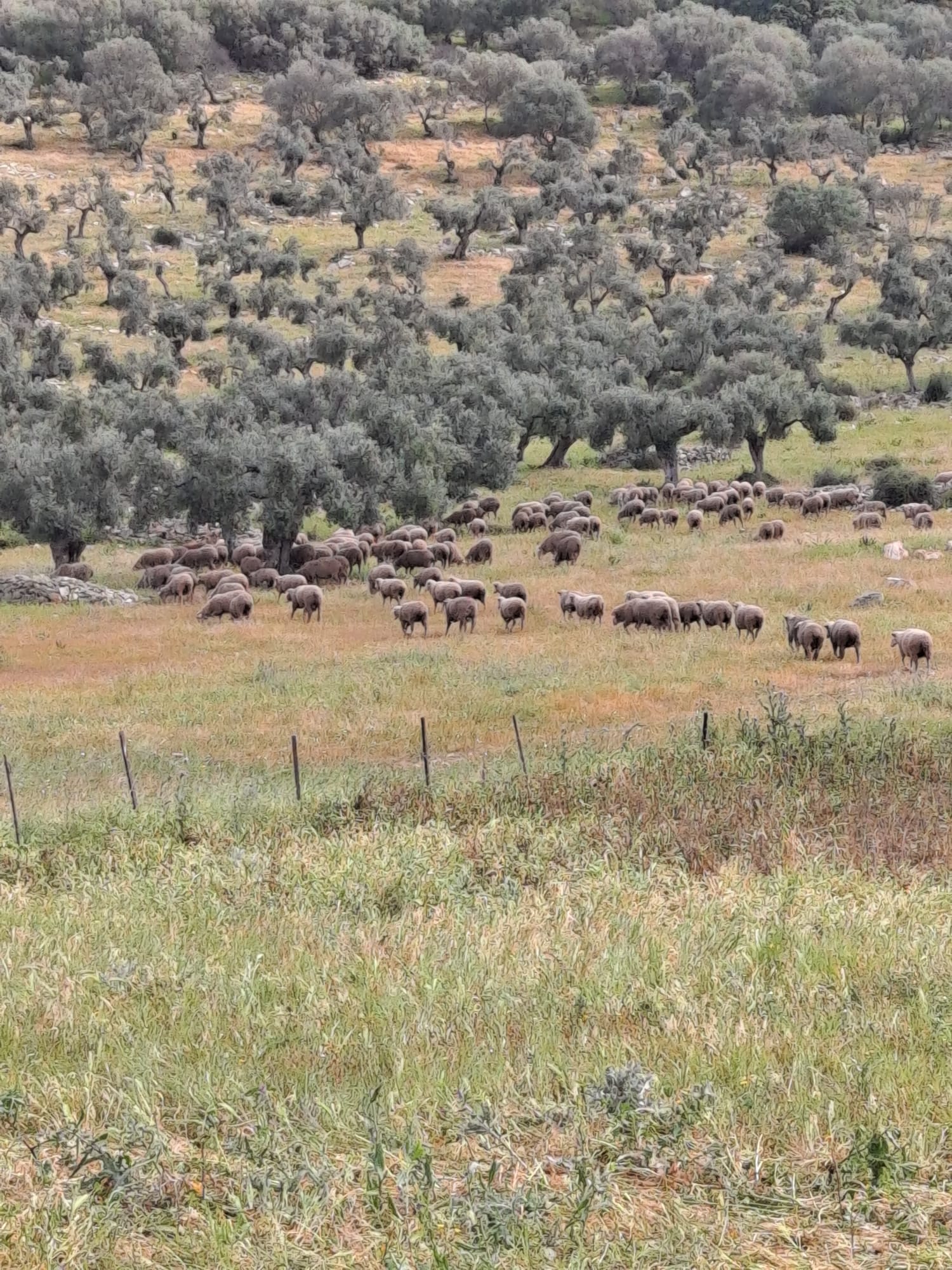
In the heart of the Iberian Peninsula, in the vast and rich region of Extremadura, lies Ganadería Gómez Coronado, a family business with a deep-rooted tradition in the breeding of purebred Merino sheep. Since its foundation and throughout three generations, the Gómez Coronado family has dedicated its passion and knowledge to the preservation and improvement of this emblematic sheep breed. Their commitment to quality, sustainability and traditional farming practices has positioned Gómez Coronado as a benchmark in Merino sheep breeding in Spain.
The Merino sheep enjoys a worldwide reputation for its exceptionally fine and soft wool, highly valued in the textile industry. Its history is intrinsically linked to that of Spanish livestock, where for centuries it was considered a national treasure, and its export was even prohibited under capital punishment. Originally from Spain, this breed has spread throughout the world, becoming the genetic basis for numerous sheep breeds producing high quality wool.
The purpose of this text is to provide a detailed overview of the Merino breed, highlighting the unique qualities offered by Ganadería Gómez Coronado and the multiple benefits of choosing their cattle. We will explore the fascinating history of this breed, its physical and behavioral characteristics, the particularities of the prized Hidalgo line bred by Gómez Coronado, its breeding practices in the privileged environment of the Extremadura pasture, its economic and environmental contribution, and the essential care it requires. Through this informative tour, potential buyers will be able to understand the excellence that distinguishes Gómez Coronado Merino sheep and the tradition behind their quality. The long history of the Gómez Coronado family in Merino sheep breeding not only testifies to their experience, but also to their deep commitment to the breed. This multigenerational heritage implies an exhaustive knowledge of the needs and particularities of the Merino sheep, as well as a continuous dedication to the improvement of its genetic lines. For potential buyers, this tradition represents a guarantee of reliability and expertise in the sector.
A Historical Journey: Tracing the Origins and Evolution of the Merino Breed

The history of the Merino sheep dates back to the dawn of the 12th century in Spain, where it is believed to have originated. Like all sheep, the Merina is descended from the wild mouflon. Although there are various theories about its exact origin, some point to a possible influence of North African flocks, the fact is that the Merina breed was consolidated in Spain at the end of the Middle Ages.
For centuries, the Merina played a crucial role in the Spanish economy. Its fine, high quality wool was highly coveted, making Spain a world power in wool production. Such was its strategic value that the export of Merino specimens was considered a capital offense, thus protecting the exclusivity of Spanish wool. The "Mesta", a powerful guild organization, was in charge of regulating and protecting the transhumant Merino herds that roamed the peninsula in search of the best pastures.
From the 18th century onwards, the ban on exporting Merino sheep was lifted, which allowed their expansion to other countries. This global dispersion had a significant impact on wool production worldwide, especially in Australia, which became one of the main producers of Merino wool thanks to the importation of Spanish sheep and subsequent genetic selection. The historical importance of the Merina sheep in Spain and its protected status for centuries highlight its unique value and reputation for enduring quality. The fact that this breed has been the basis for the development of many other high quality wool producing sheep breeds around the world underlines the desirability of its genetic characteristics and its relevance in the sheep industry.
The Quality Seals: Understanding the Physical and Behavioral Traits of the Merino Sheep
Merino sheep are distinguished by a series of physical and behavioral characteristics that make them unique. They are medium-sized animals, generally white in color, with white faces and legs. In some cases, males have long horns and spiral horns, while females tend to be short-haired. Some lines of Merinas may have pronounced skin folds on the neck, thighs and flanks. Adult specimens can reach a height of approximately 1.40 meters and a weight of up to 100 kg.
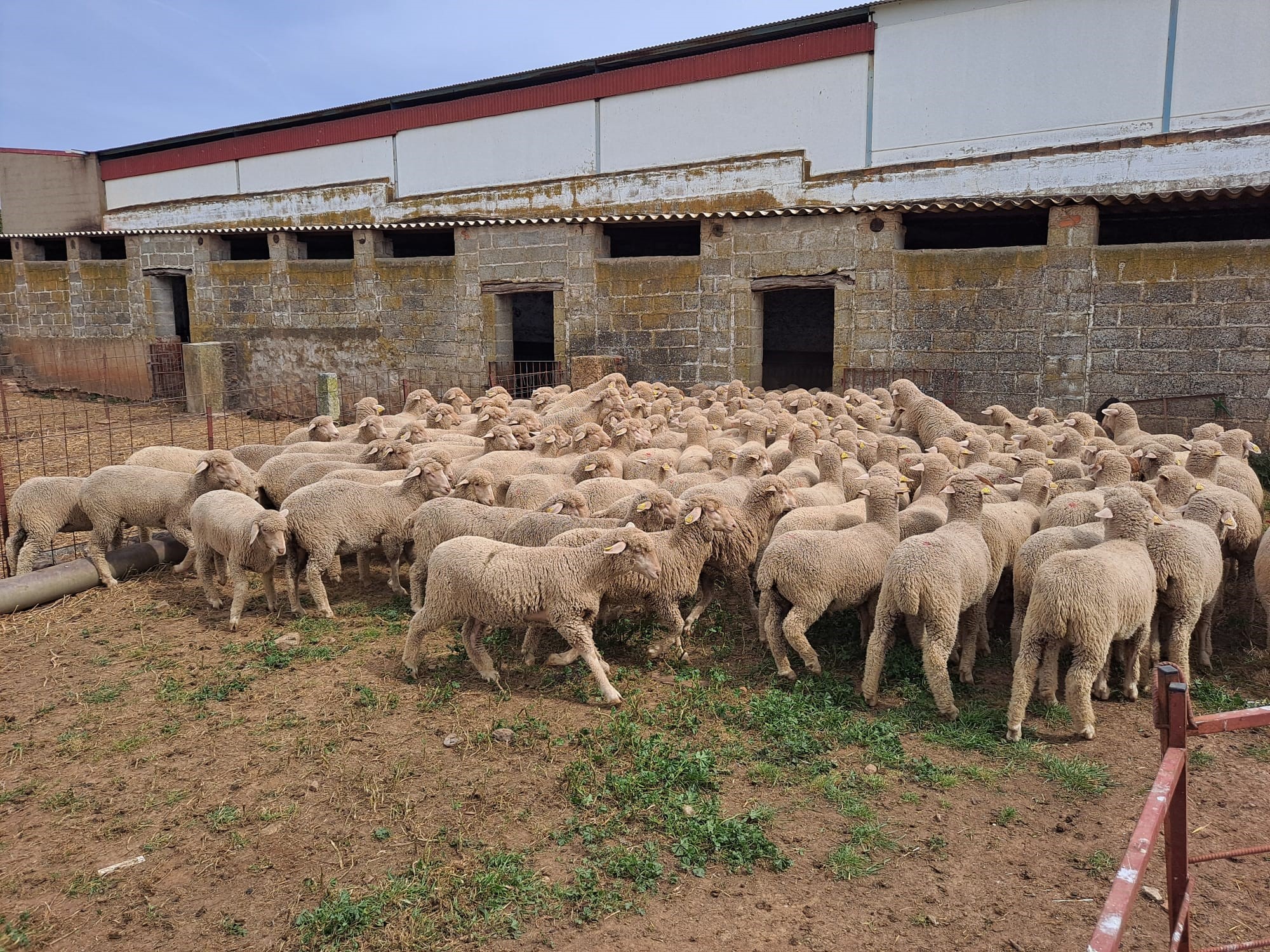
However, the most distinctive characteristic of the Merino sheep is its exceptional wool. It is a fine wool, with fibers ranging from 15 to 24 microns in diameter, much thinner than those of other breeds of sheep. This fineness is what gives it its softness and makes it pleasant to the touch, unlike coarser wools. Merino wool has a natural crimp that creates small air pockets, providing excellent thermal insulation in both cold and warm climates. In addition, it is a breathable fiber with remarkable moisture absorption properties, keeping the animal and the wearer dry and comfortable. Other outstanding qualities of Merino wool are its elasticity, wrinkle resistance and ability to keep its shape. It also offers a natural resistance to odors and some protection against ultraviolet rays. A single Merino sheep can produce between 2 and 4 kilograms of high quality wool per year, with fiber diameters that can reach 23 microns in some Spanish varieties.
Behaviorally, Merino sheep are gregarious animals with a strong herd instinct, needing the company of other sheep to thrive. Generally, they are considered tame and calm, with a docile temperament that makes them easy to handle. However, they can be stubborn and have a marked tendency to follow a leader, even in potentially dangerous situations. They are adaptable and hardy animals, capable of living in a wide variety of climates.
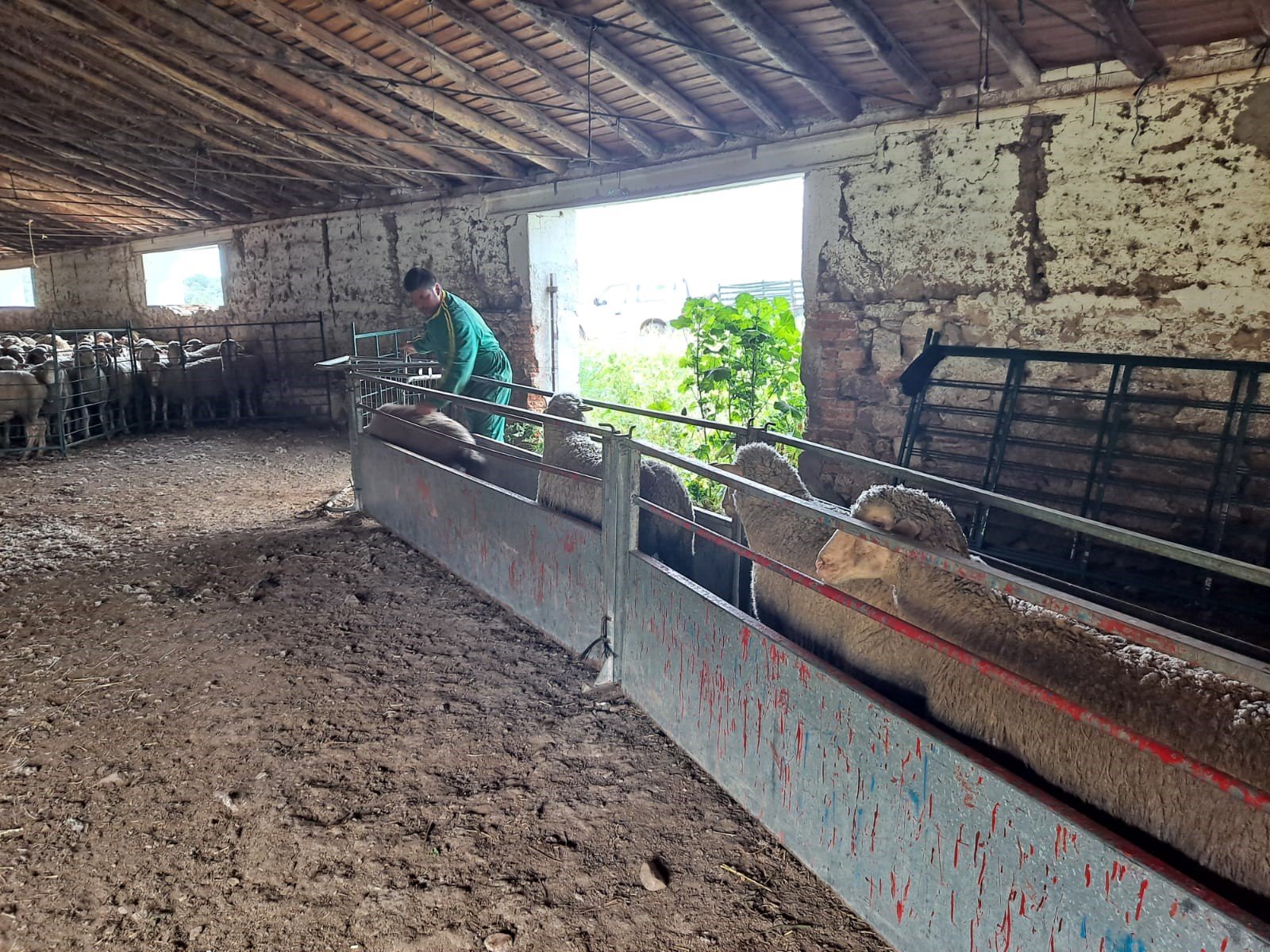
The Gomez Coronado Distinction: The Focus on the Appreciated Hidalgo Line
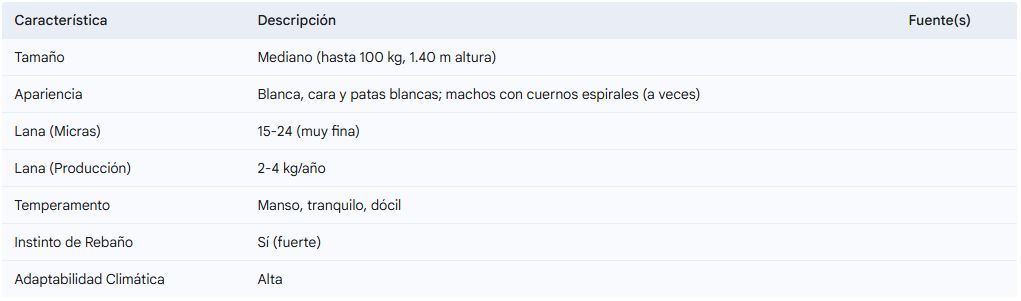
Ganadería Gómez Coronado is proud to specialize in the prestigious Hidalgo line of Merino sheep. This line is distinguished by a series of particular characteristics and advantages. Hidalgo sheep tend to be larger in size, with longer limbs and less wool coverage on the face and legs, giving them a slightly "darker" appearance.
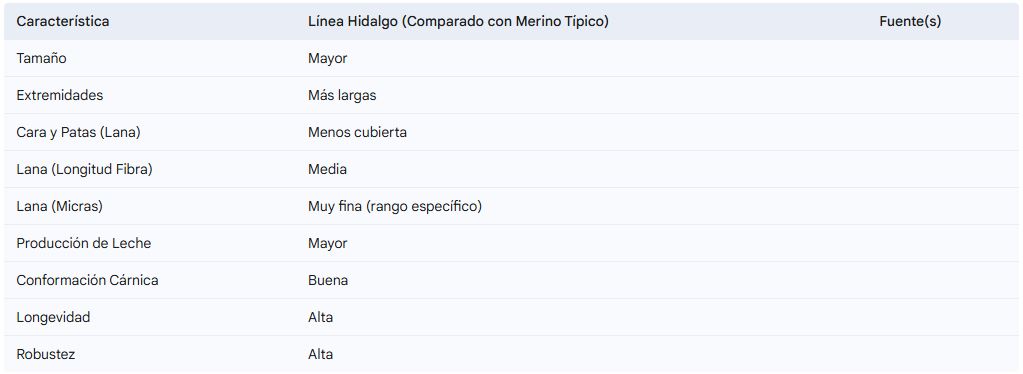
Within the possibilities of the Merino breed, the Hidalgo line stands out for its remarkable milk production capacity. In addition, they are recognized for the quality of their wool and their excellent meat conformation. Gómez Coronado places special emphasis on the longevity and robustness of its Hidalgo line animals.
Gómez Coronado's decision to focus on this specific line is due to its valuable characteristics, ideal for both wool and meat production, as well as its excellent adaptation to the Extremadura pasture environment.
Specializing in the Hidalgo line allows Gómez Coronado to differentiate itself by offering sheep with specific, desirable traits. Clearly describing these characteristics can attract buyers looking for those particular qualities. Mentioning wool quality and meat conformation in the Hidalgo line suggests a dual-purpose breed, which may appeal to ranchers seeking versatility in their livestock. The emphasis on longevity and hardiness indicates that Gómez Coronado prioritizes the health and lifespan of its animals, a crucial factor for buyers seeking a sustainable and productive herd.
The Art of Breeding: Gómez Coronado's Practices in the Extremadura Landscape
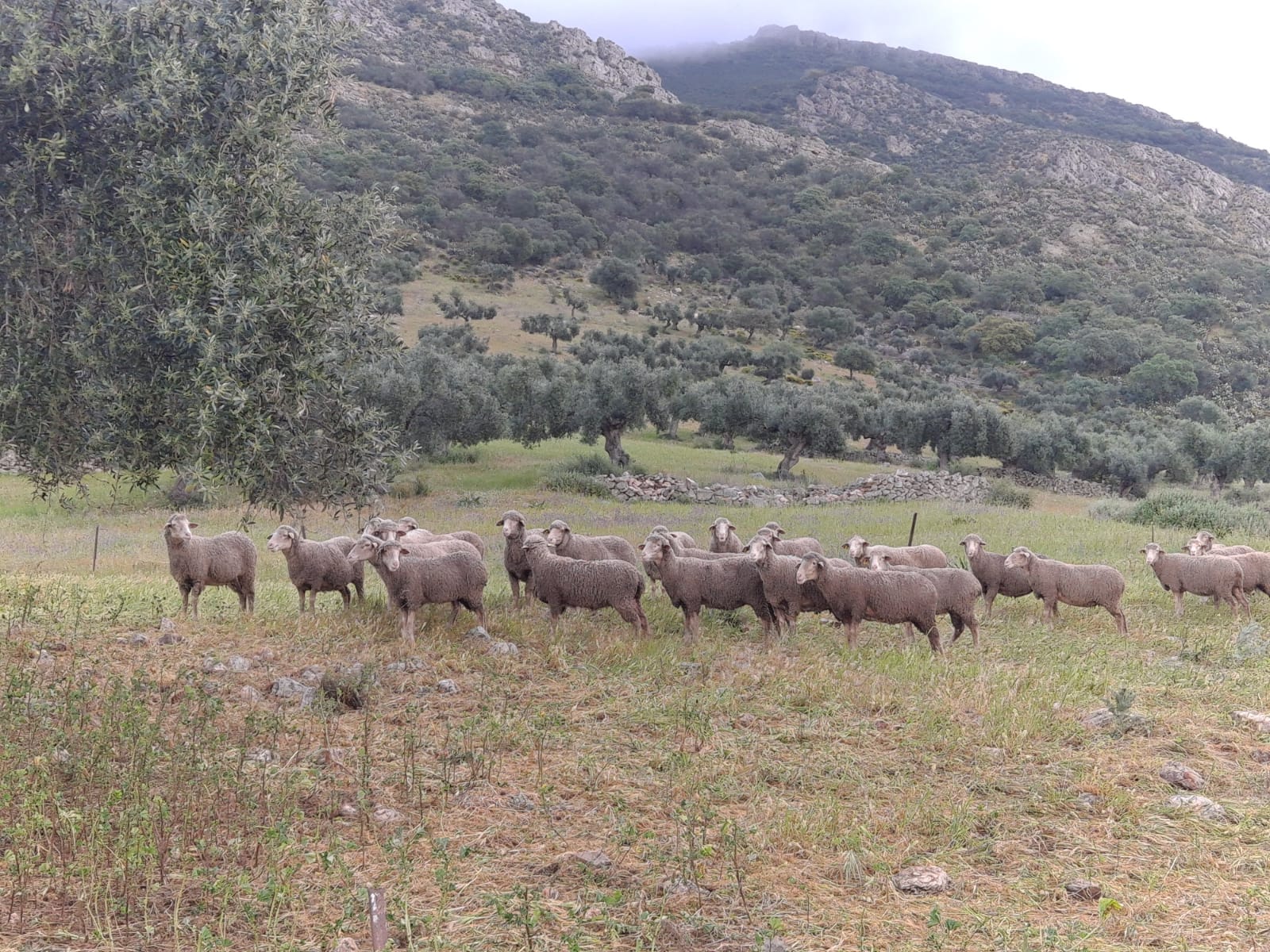
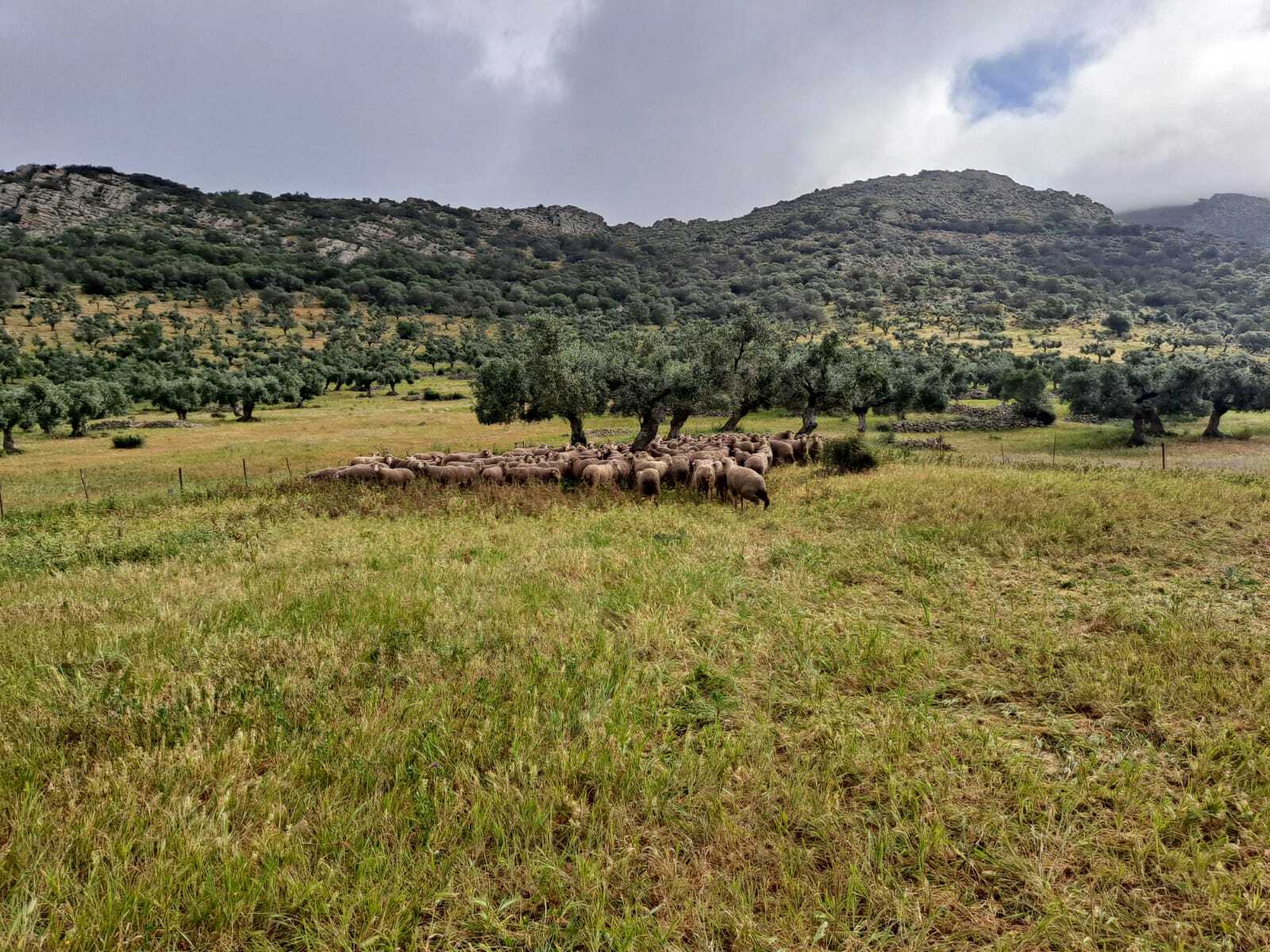
Gómez Coronado's livestock farm sits in the heart of Extremadura, on the Finca San António, registered with the National Association of Merino Cattle Breeders since 2010 . Its sheep graze on this and other family farms in the region, taking advantage of the natural resources of the dehesa, a unique ecosystem that combines forests and pastures in a sustainable way. The feeding of the 1,500 sheep is based mainly on natural grasses and acorns.
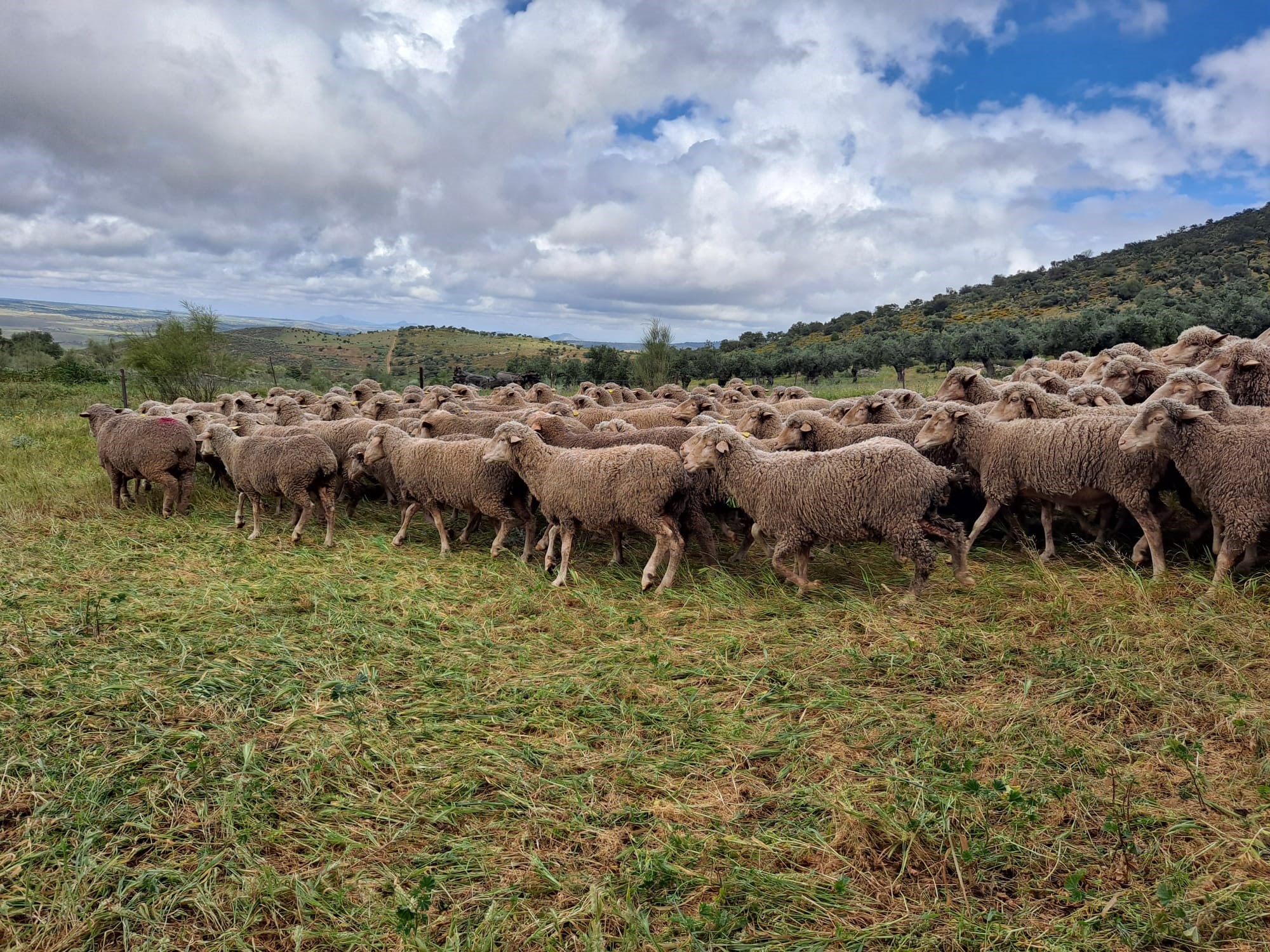
Gómez Coronado is dedicated to the breeding of purebred Merino sheep of the Hidalgo line. Their commitment extends to the continuous improvement of their facilities and the implementation of sustainable practices. Given their long family history, it is likely that they employ traditional breeding techniques passed down from generation to generation.
Gómez Coronado's dedication to the health, welfare and genetic improvement of his Merino herd is evidenced by his participation in important agricultural fairs such as the Agroganadera de Trujillo in November and the Zafra fair in March and September.
The description of the dehesa environment and the use of natural resources such as pasture and acorns emphasizes Gómez Coronado's sustainable and potentially profitable practices. This may appeal to environmentally conscious buyers and those looking for naturally raised cattle. Gomez Coronado's registration with the National Merino Cattle Breeders Association and its participation in agricultural shows demonstrate its credibility and commitment to breed standards and industry best practices. The mention of breeding 1,500 ewes indicates a significant scale of operation, suggesting that Gomez Coronado can reliably supply a substantial number of ewes to potential buyers.
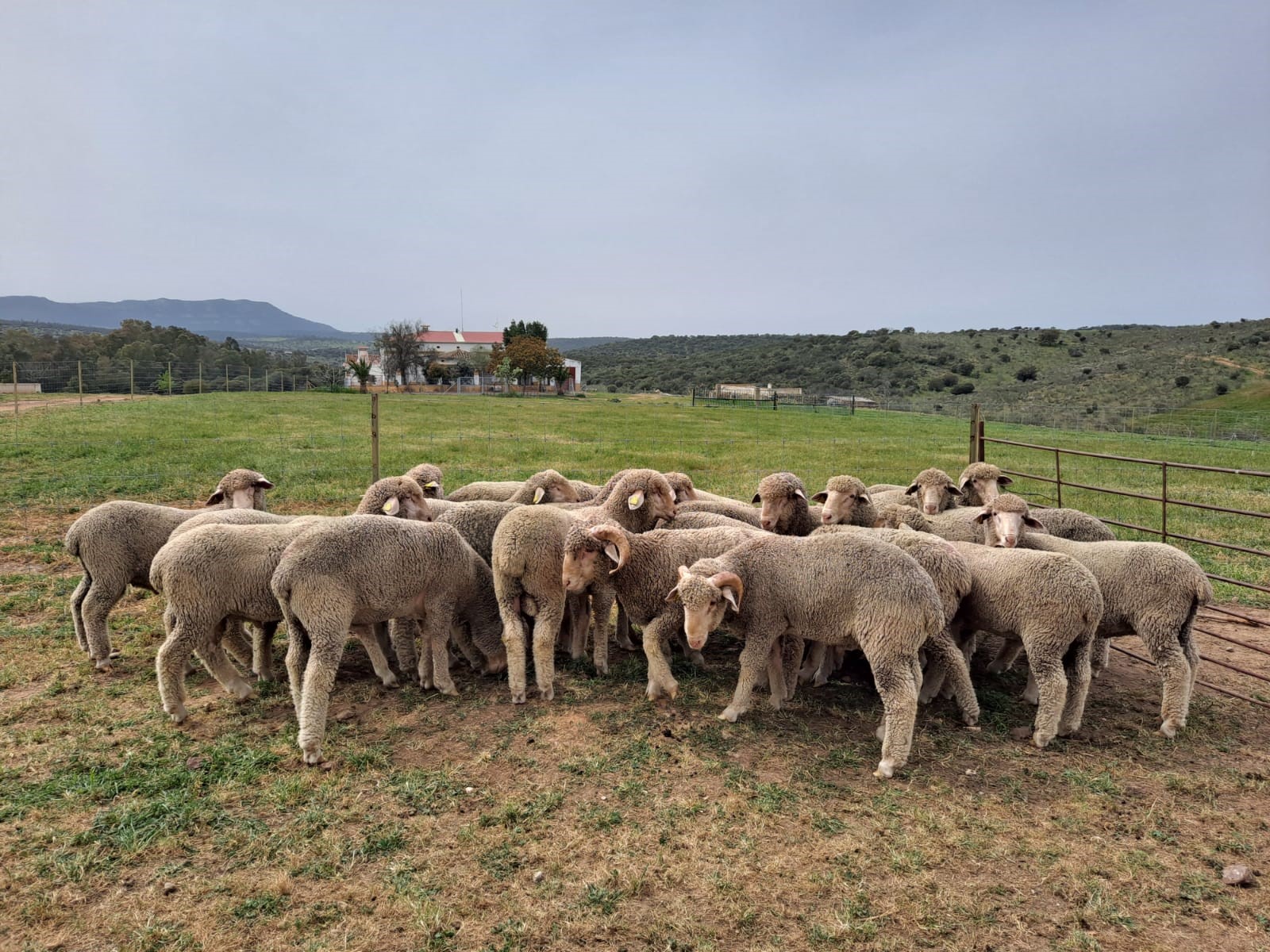
More than Wool: Exploring the Economic Contributions of the Merino Sheep
Merino sheep breeding generates several economic benefits. In the first place, the production of wool stands out. Gómez Coronado shears its sheep annually and markets the wool obtained. Each sheep can produce up to 3 kg of wool with fine fibers. Merino wool is highly valued in the market for its superior quality.
Guardians of the Earth: The Environmental Role of the Merino Sheep in Extremadura's Ecosystem
The extensive breeding of Merino sheep in the Extremadura dehesa has important ecological benefits. These animals play a crucial role in maintaining biodiversity by dispersing seeds through their movements. Their controlled grazing helps prevent forest fires by reducing the accumulation of undergrowth and combustible material. In addition, their droppings act as a natural fertilizer, improving soil health and structure.
Gómez Coronado is committed to sustainable livestock practices that enrich the land. Extensive pasture farming also contributes to soil carbon sequestration, helping to mitigate climate change.
Highlighting the environmental benefits of extensive Merino farming on dehesa aligns with the growing interest in sustainable agriculture and can attract buyers who value environmentally responsible practices. Connecting Gómez Coronado's practices to the preservation of the dehesa ecosystem, recognized by the Natura 2000 Network, adds credibility to his sustainability claims and highlights the ecological importance of his work. The role of Merino sheep in preventing forest fires is particularly relevant in regions prone to such events, offering an additional benefit to landowners in fire-risk areas who might consider raising Merino sheep.
Caring for the Flock: The Comprehensive Care of Gomez Coronado's Merino Sheep
Proper care of Merino sheep is essential to ensure their welfare and productivity. They require shelter, either natural or artificial, especially in adverse weather conditions or during the lambing season. Gómez Coronado provides its sheep with natural pastures and, probably, stables in its various family farms.
Feeding is based mainly on good quality pasture, supplemented with hay or silage when necessary. In the case of Gómez Coronado, his ewes are fed on natural grasses and acorns . Pregnant ewes and growing lambs may require concentrate supplementation. It is crucial to ensure constant access to fresh, clean water.
Health management includes vaccination, deworming, hoof care and prevention of common problems such as skin myiasis and foot rot. Annual shearing, usually in spring, is essential, and it is recommended to hire professional shearers due to the density of their fleece. As for lamb care, it is vital to ensure colostrum intake in the first hours of life and to maintain a clean lambing area.
Conclusion: Collaborating with Gómez Coronado to Obtain Premium Quality Merino Sheep
In summary, choosing Ganadería Gómez Coronado to acquire high quality Merino sheep offers numerous advantages. Its long family tradition and deep experience in the breeding of this breed are a guarantee of knowledge and commitment. Their specialization in the highly prized Hidalgo line ensures animals with desirable characteristics for both wool and meat production, in addition to their remarkable milk production within the breed. Its sustainable and traditional breeding practices in the privileged environment of the Extremadura dehesa not only guarantee the welfare of the animals, but also contribute to the preservation of a valuable ecosystem. Gómez Coronado demonstrates a firm commitment to the health, welfare and longevity of its flock. Its Merino sheep have the potential to produce high quality wool, tasty meat and, in the case of the Hidalgo line, a remarkable amount of milk. In addition, its extensive breeding system contributes to the protection of the Extremadura environment.